0 kmSerie 6E · se vende 0 km
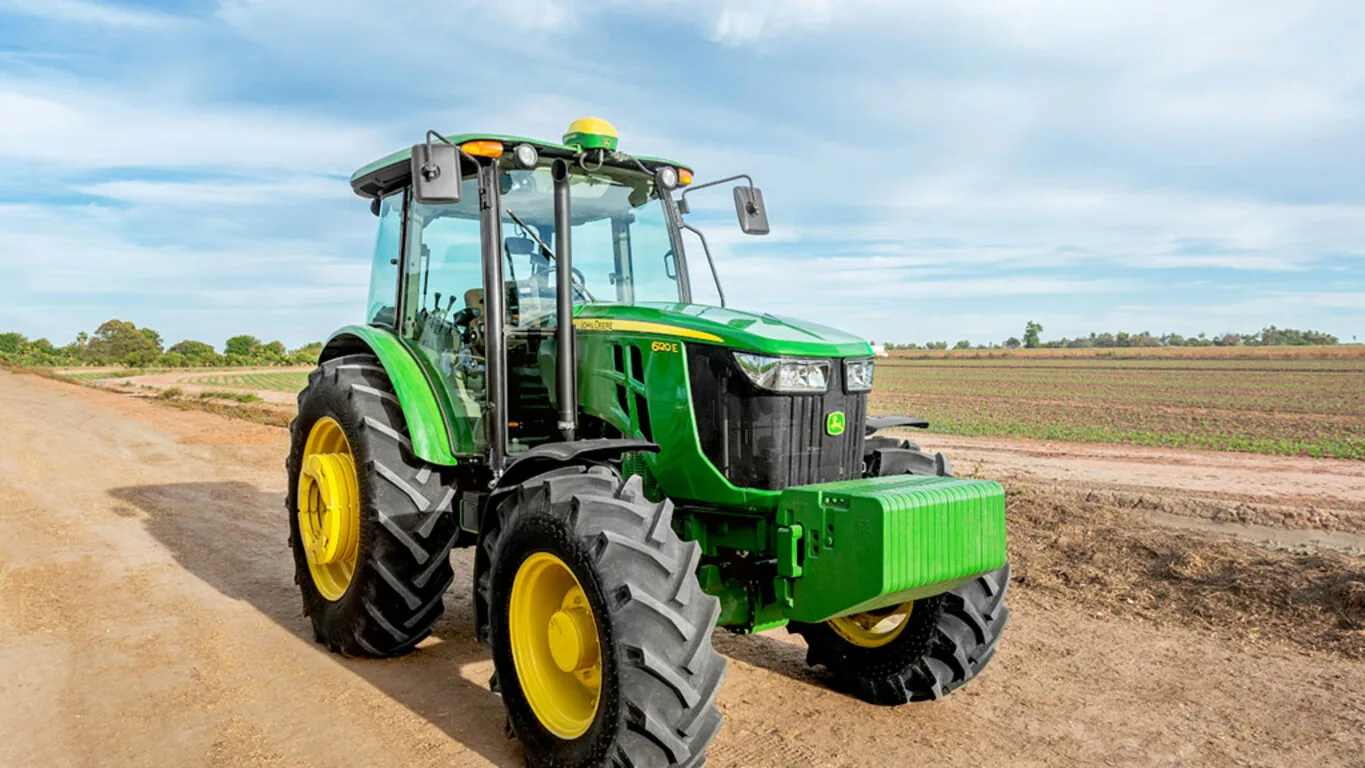
John Deere 6120E
Serie 6E, 118 CV, Tracción sencilla (TS) o doble tracción (DT) de accionamiento electrohidráulico, levante de 3420 kg, tanque de 152 L.
- MotorJohn Deere 4045 PowerTech™
- CajaPowrReverser Plus
- TracciónTracción sencilla
- Cilindros4
Potencia118 CV
Peso3.927 kg
Levante3.420 kg
Tanque152 L
Ficha técnica
Ficha técnica del John Deere 6120E
Datos declarados por John Deere.
Motor
- Motor
- John Deere 4045 PowerTech™, 4 cilindros, 4,5 L (276 cu in.), turboalimentado con interenfriador, 2100 rpm, Tier 0
- Cilindros
- 4
- Potencia (CV)
- 118
- Potencia (kW)
- 78.9
- Tanque (L)
- 152
Transmisión y tracción
- Tracción
- Tracción sencilla (TS) o doble tracción (DT) de accionamiento electrohidráulico
- Transmisión
- PowrReverser Plus con embrague en baño de aceite de cinco discos de 17 cm, 30 km/h
- Marchas
- 24 adelante / 12 atrás
Hidráulico y toma de fuerza
- Levante (kg)
- 3420
Dimensiones y peso
- Peso (kg)
- 3927
Fuente: ficha del sitio
La gama de John Deere, de menor a mayor potencia
Los tractores de John Deere ordenados por potencia, del más chico al más grande.
- John Deere 3036E36 CV
- John Deere 3036EN36 CV
- John Deere 5060E60 CV
- John Deere 5060EN60 CV
- John Deere 5070E70 CV
- John Deere 5080EN80 CV
- John Deere 5080E80 CV
- John Deere 5082E82 CV
- John Deere 5090EH89 CV
- John Deere 5090E92 CV
- John Deere 5090EN92 CV
- John Deere 6105E103 CV
- John Deere 6115J115 CV
- John Deere 6120E el que estás viendo118 CV
- John Deere 6135J135 CV
- John Deere 6150M150 CV
- John Deere 6170M170 CV
- John Deere 6170J170 CV
- John Deere 6190J190 CV
- John Deere 6190M190 CV
- John Deere 7M 200200 CV
- John Deere 7M 215215 CV
- John Deere 7M 230230 CV
- John Deere 8250R250 CV
- John Deere 8270R270 CV
- John Deere 8295R295 CV
- John Deere 8320R320 CV
- John Deere 8345R345 CV
- John Deere 8370R370 CV
- John Deere 8400R395 CV
Preguntas sobre el John Deere 6120E
- ¿Cuántos CV tiene el John Deere 6120E?
- El John Deere 6120E declara 118 CV (78.9 kW). Los entrega un motor John Deere 4045 PowerTech™, 4 cilindros, 4,5 L (276 cu in.), turboalimentado con interenfriador, 2100 rpm, Tier 0.
- ¿Qué motor tiene el John Deere 6120E?
- El John Deere 6120E monta un motor John Deere 4045 PowerTech™, 4 cilindros, 4,5 L (276 cu in.), turboalimentado con interenfriador, 2100 rpm, Tier 0.
- ¿El John Deere 6120E es 4x4?
- El John Deere 6120E es Tracción sencilla (TS) o doble tracción (DT) de accionamiento electrohidráulico. La transmisión es powrreverser plus con embrague en baño de aceite de cinco discos de 17 cm, 30 km/h, con 24 adelante / 12 atrás marchas.
- ¿Cuánto levanta el John Deere 6120E?
- El levante hidráulico del John Deere 6120E es de 3420 kg.
- ¿Cuántos kilos pesa el John Deere 6120E?
- El John Deere 6120E pesa 3927 kg.
- ¿Cómo es la caja del John Deere 6120E?
- El John Deere 6120E lleva transmisión powrreverser plus con embrague en baño de aceite de cinco discos de 17 cm, 30 km/h. Son 24 adelante / 12 atrás marchas.
Los datos salen de ficha del sitio: ver la fuente.
Tractores de potencia parecida
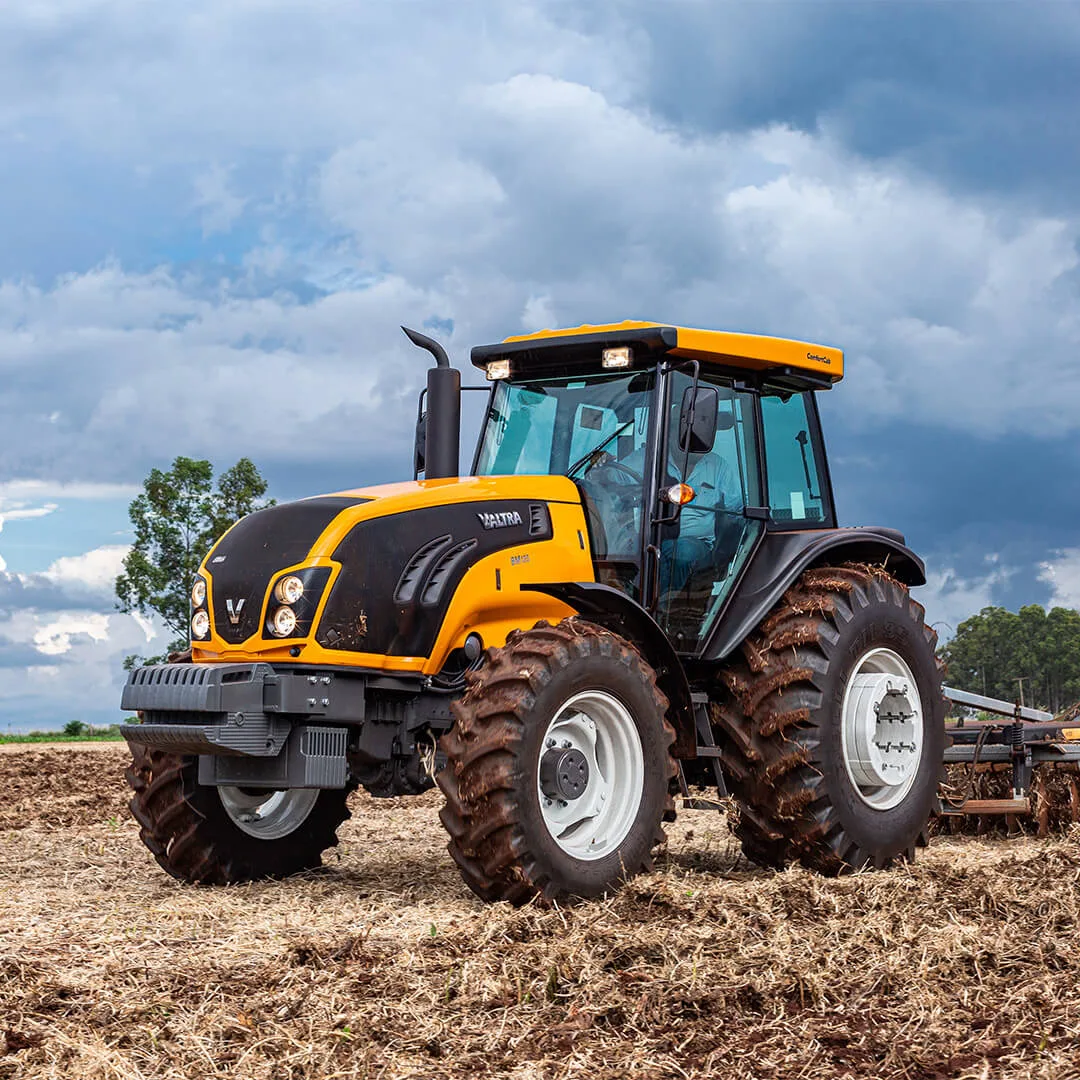
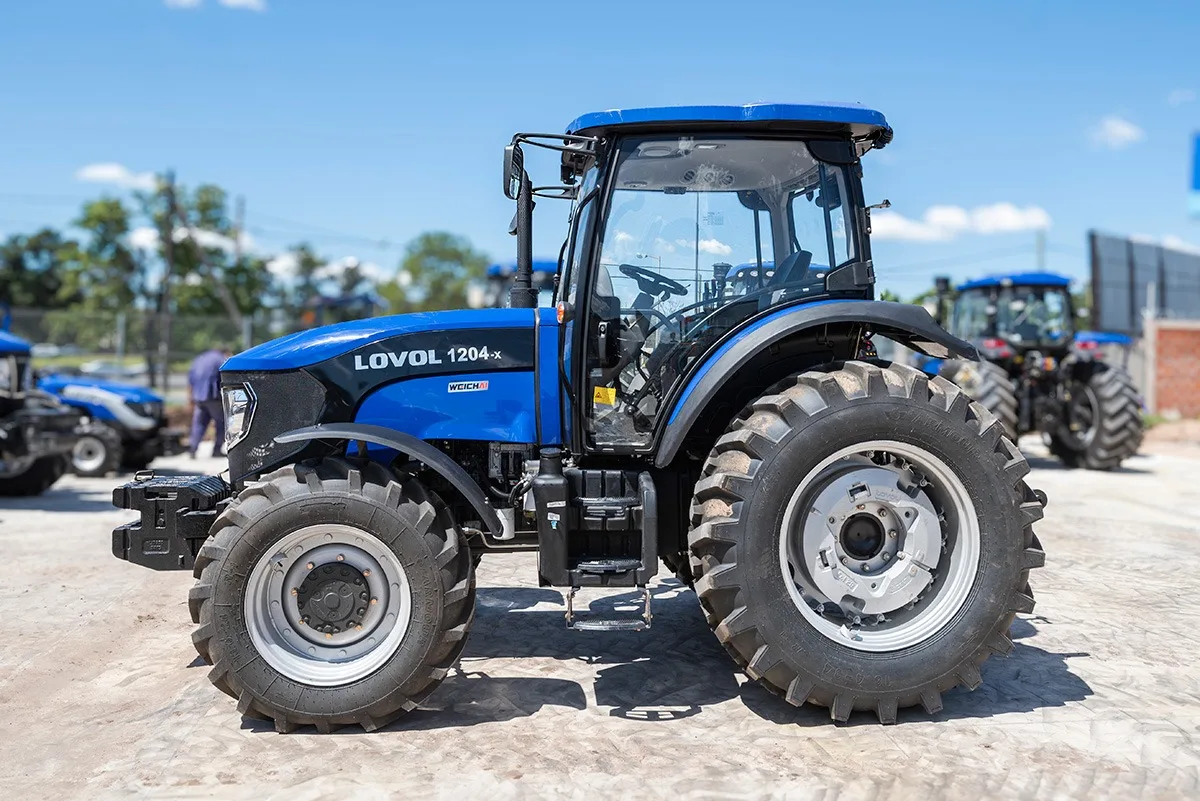
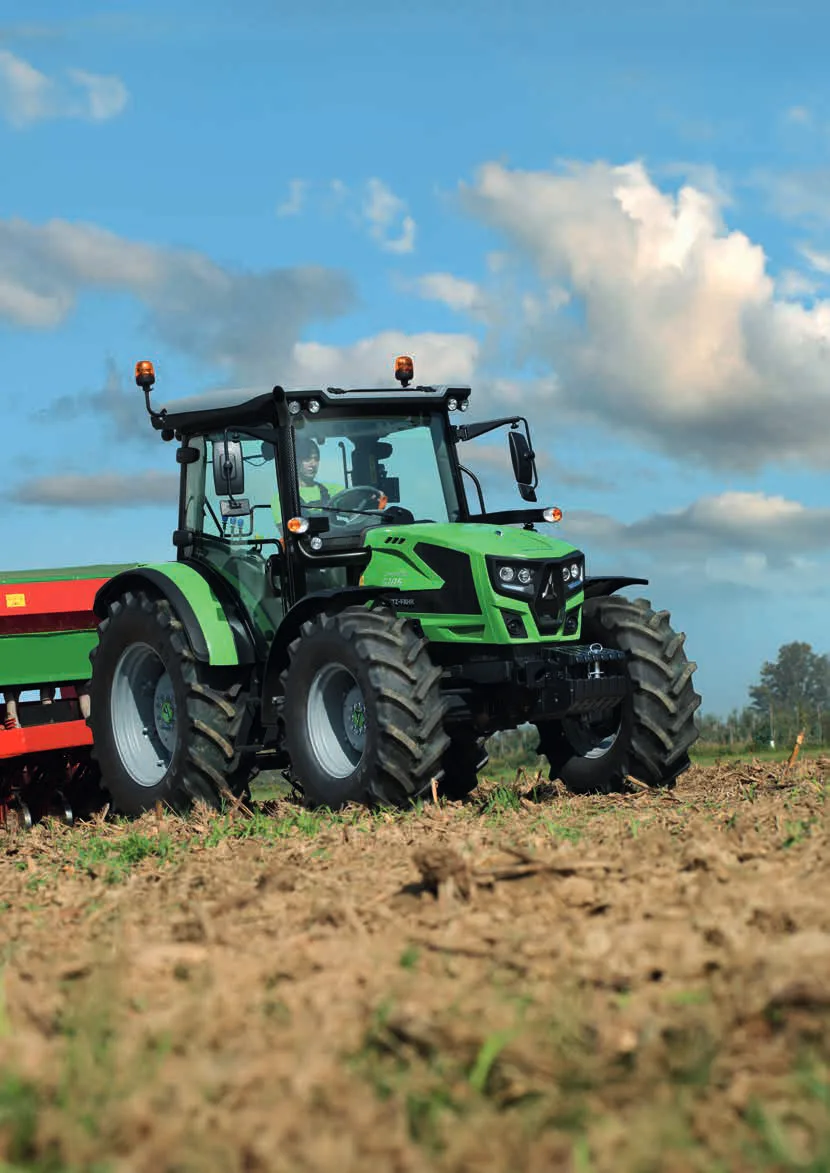
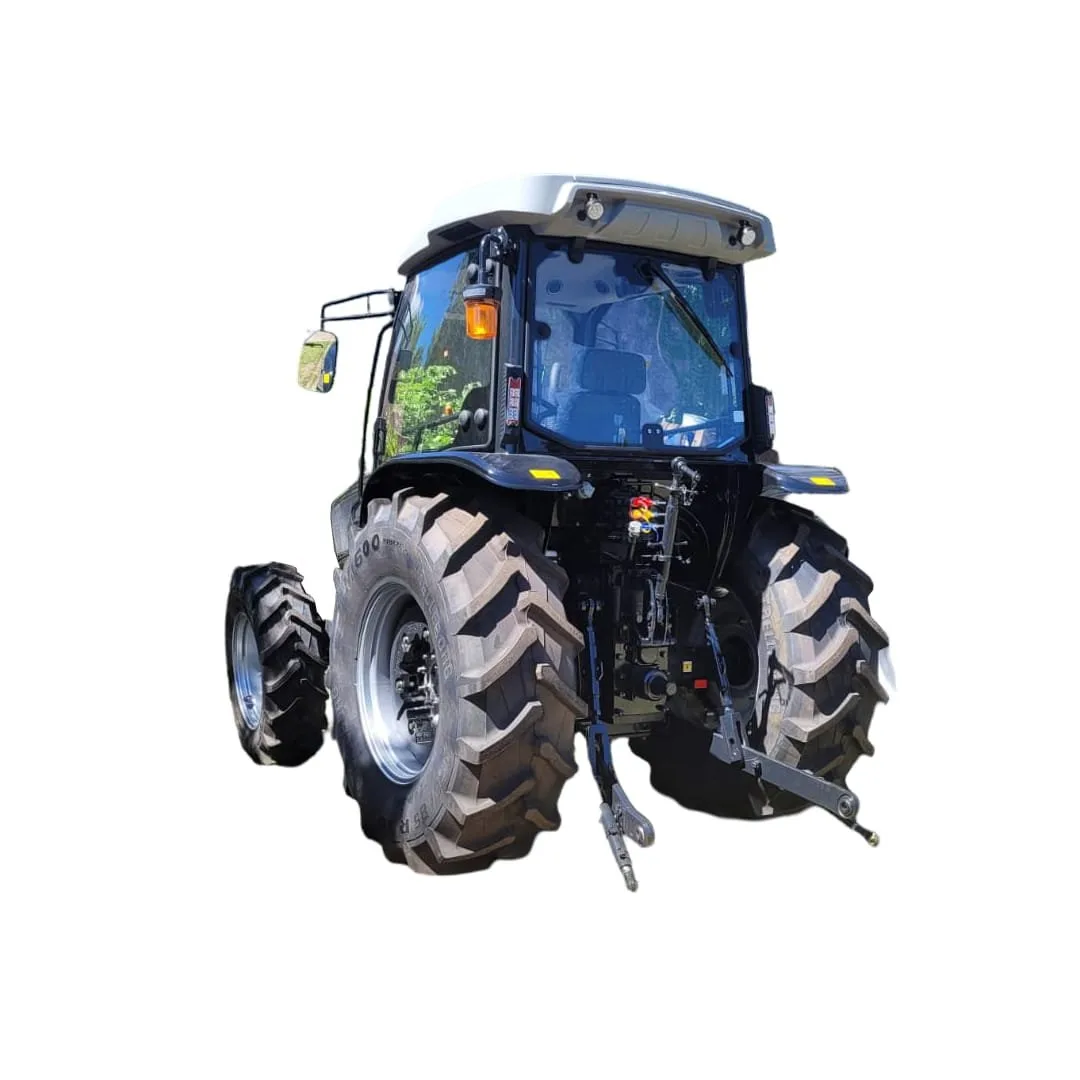
Con 118 CV declarados, el John Deere 6120E compite contra estos modelos de otras marcas.
Más de John Deere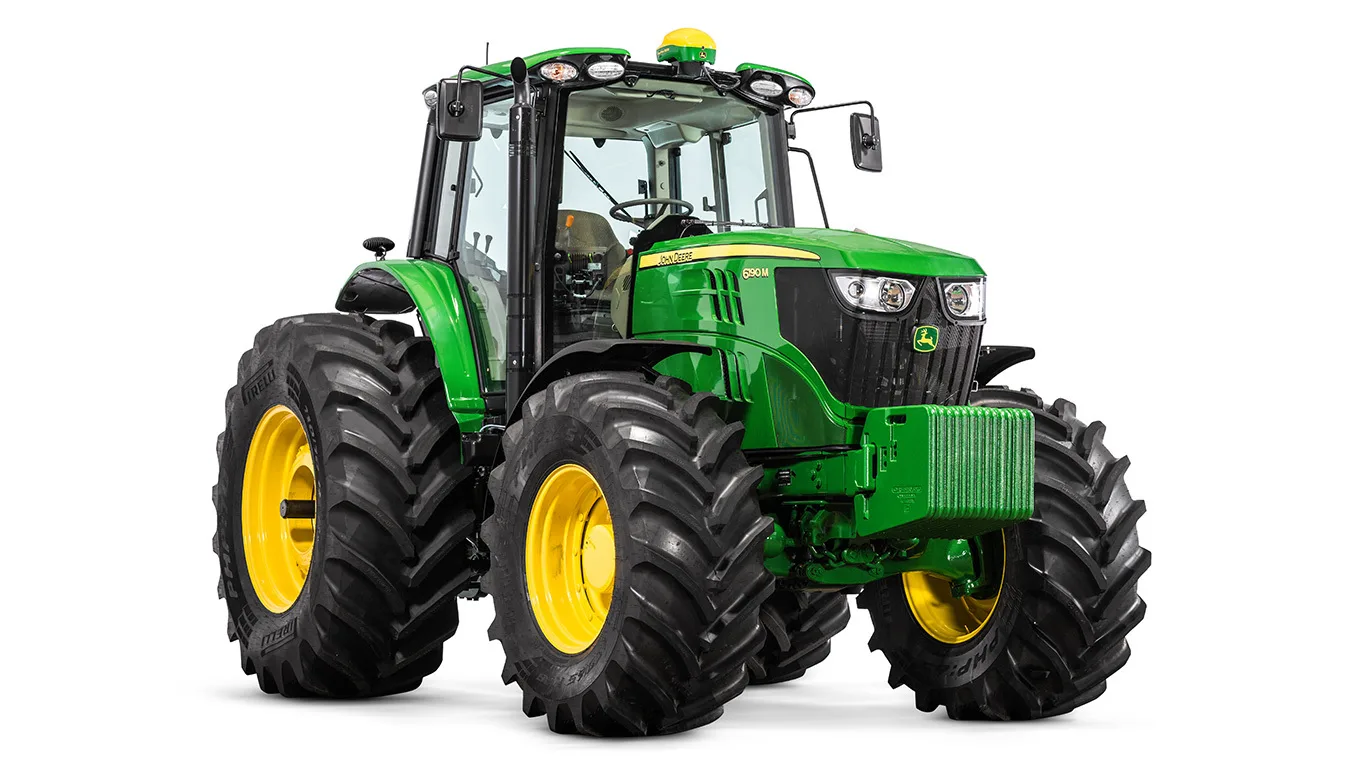 6190MSerie 6M0 km
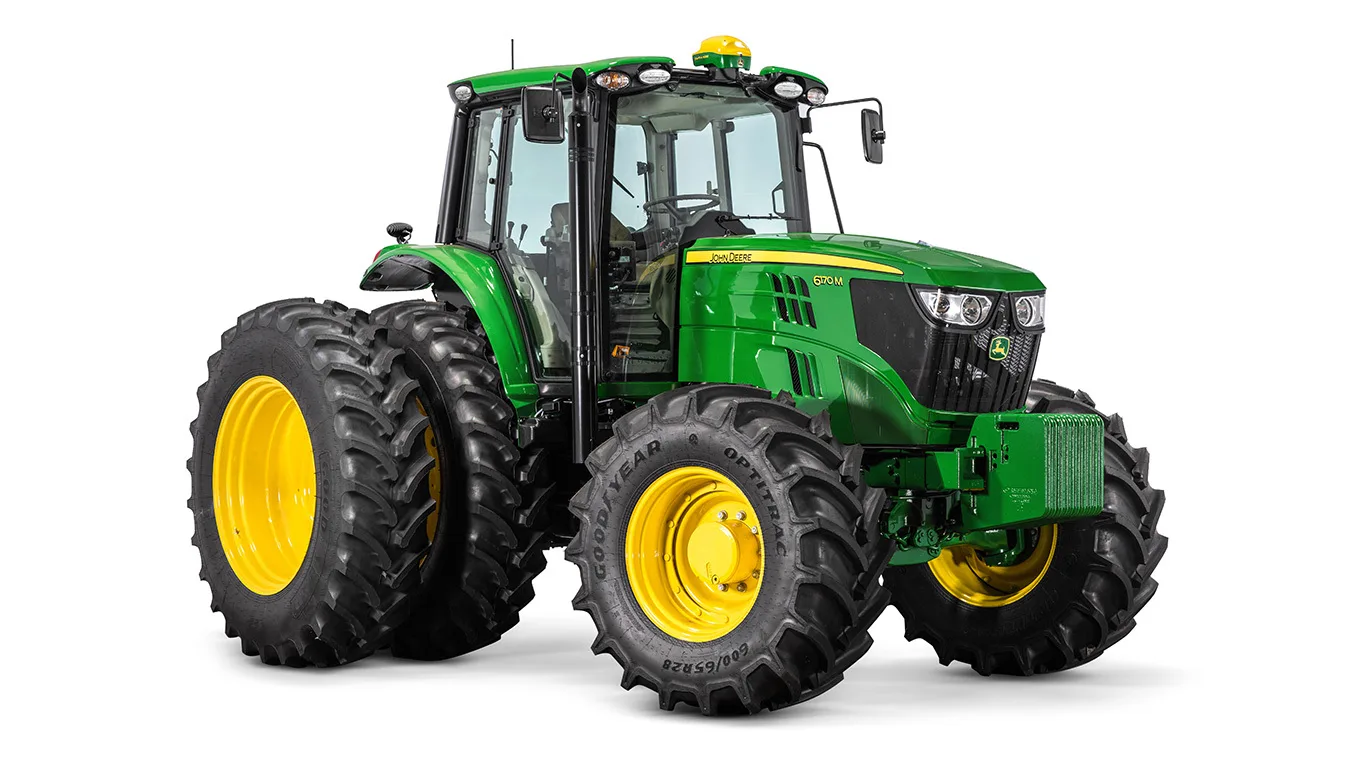 6170MSerie 6M0 km
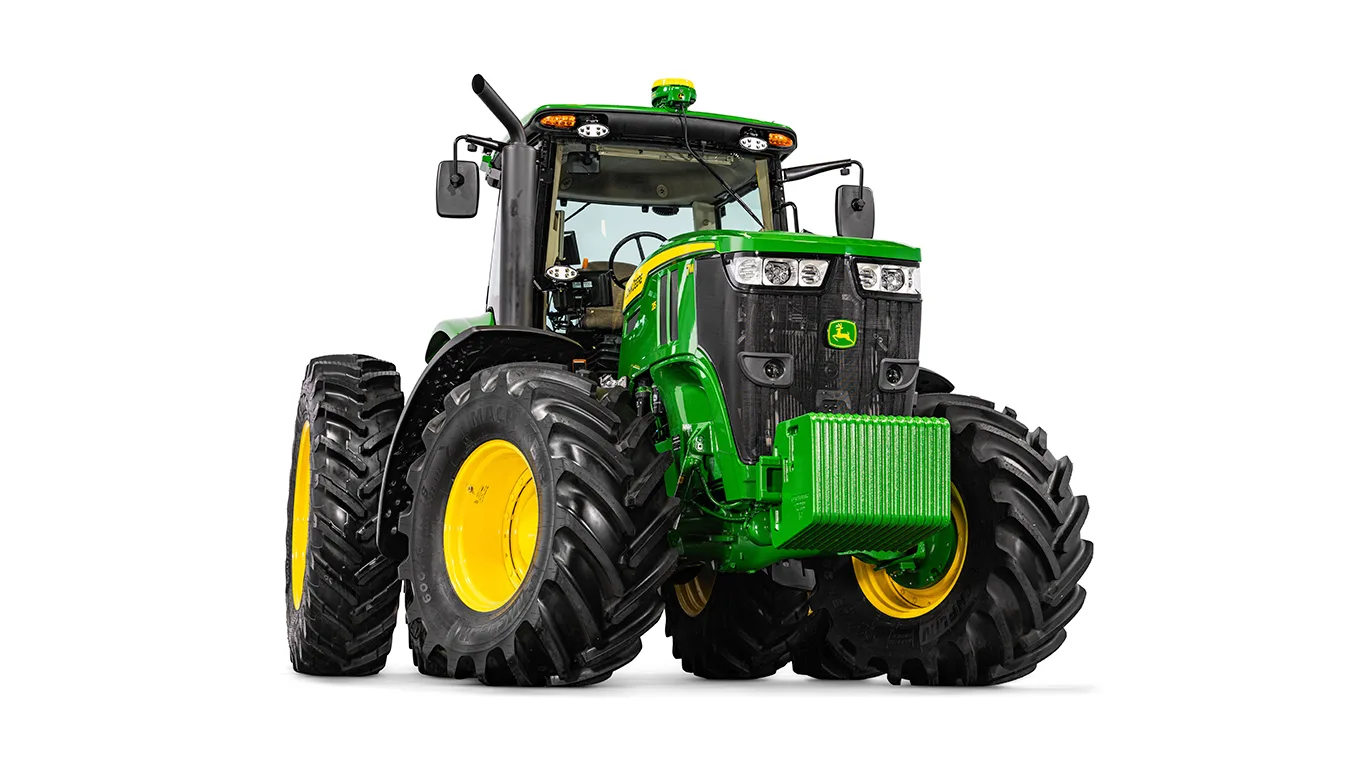 7M 215Serie 7M0 km
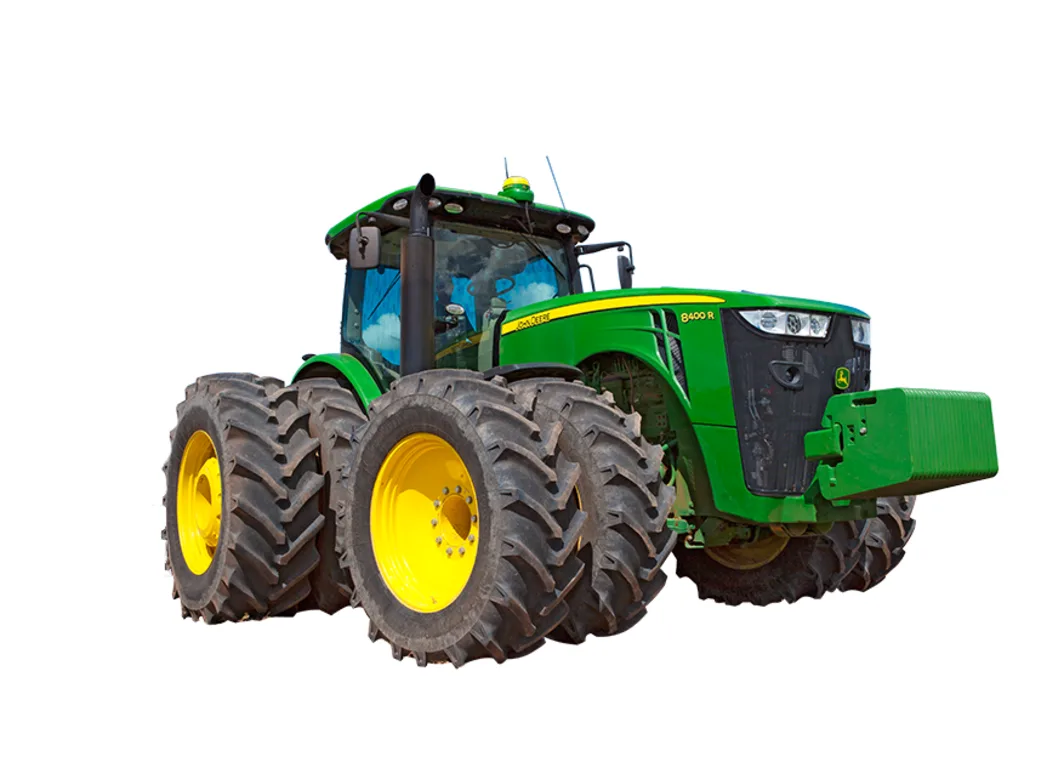 8400RSerie 8R - tractores grandes0 km
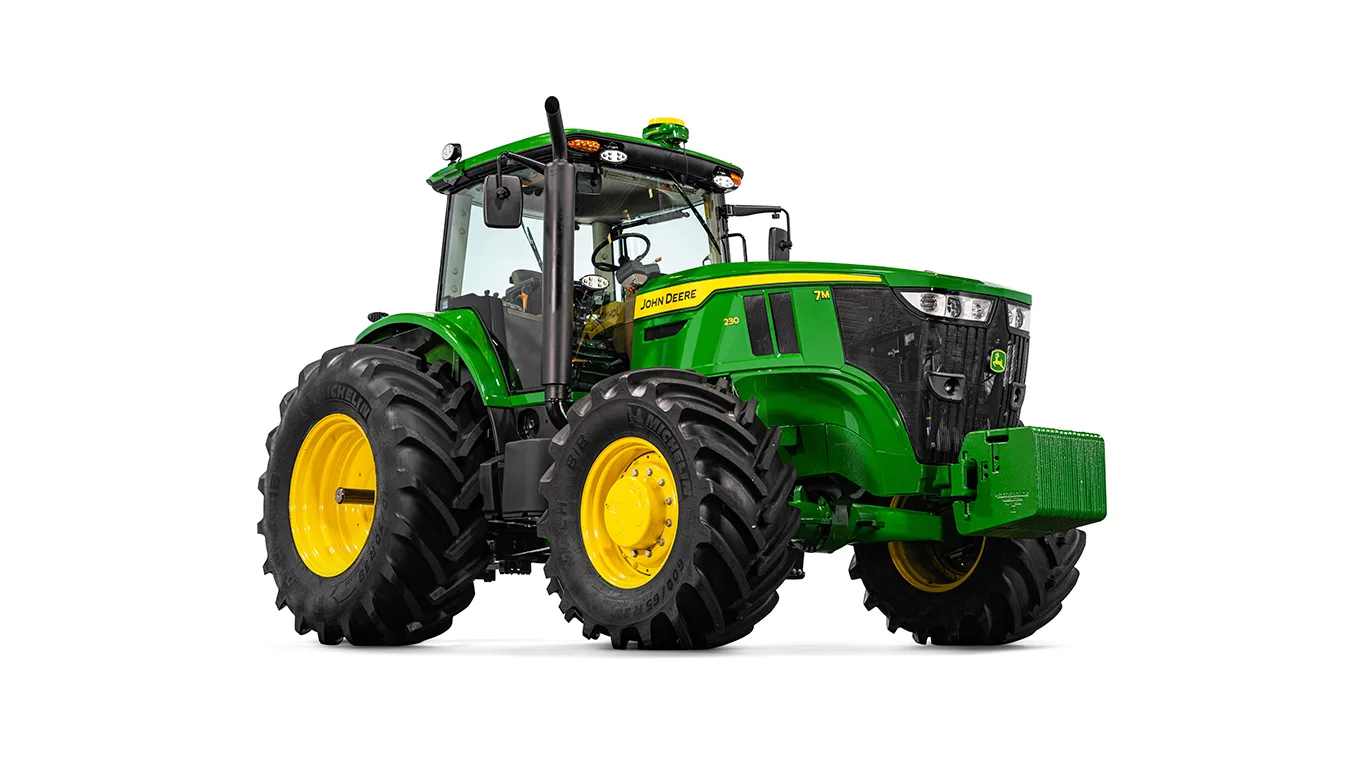 7M 230Serie 7M0 km
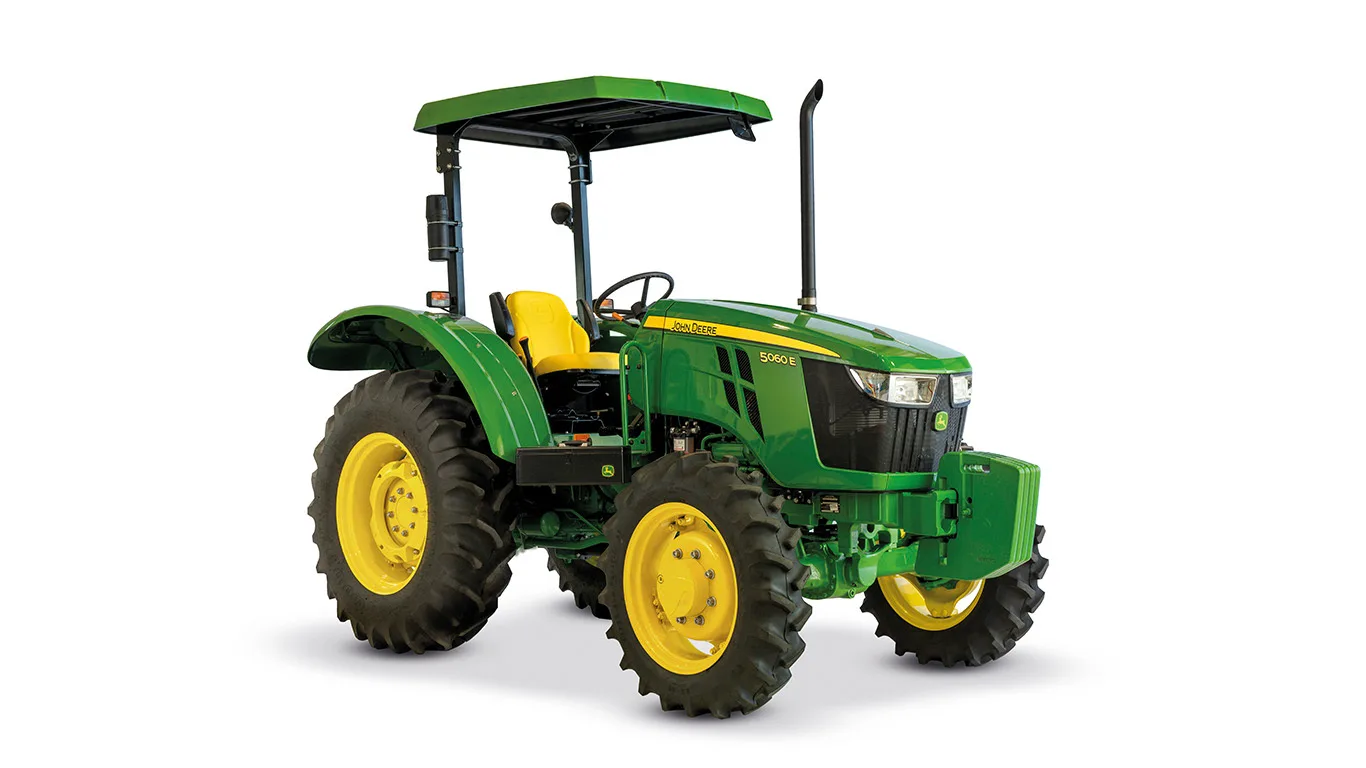 5060ESerie 5E0 km
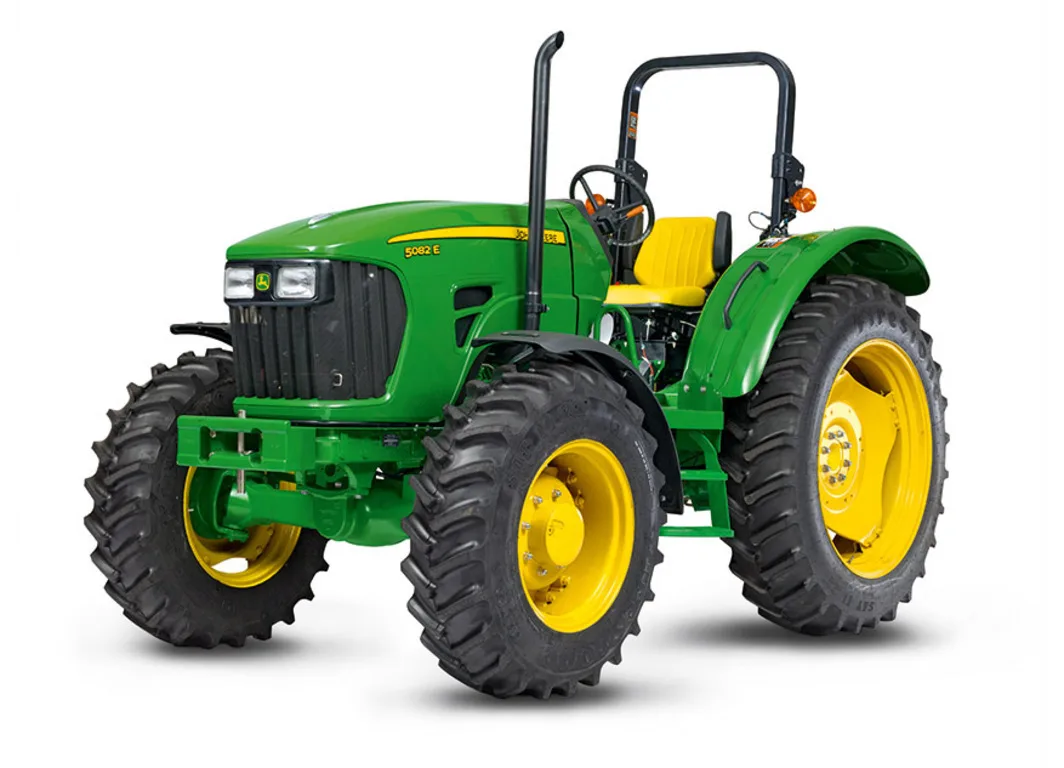 5082ESerie 5E (4 cilindros)0 km
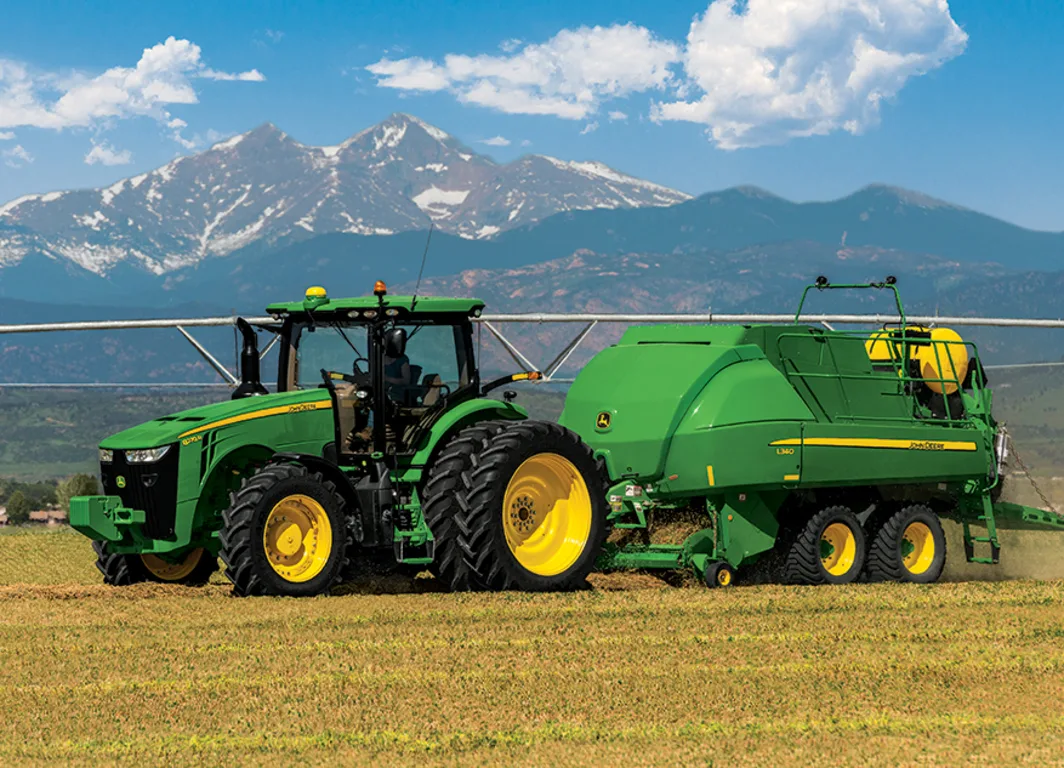 8270RSerie 8R - tractores grandes0 km
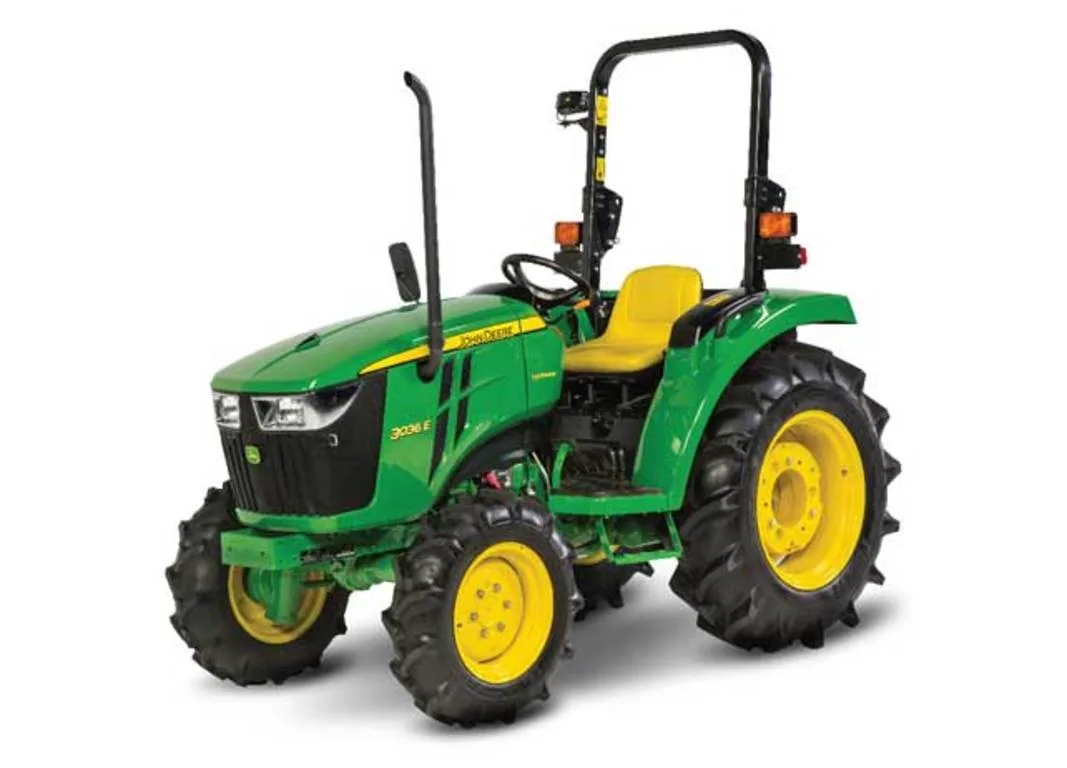 3036ESerie 3E - tractores compactos/especiales0 km
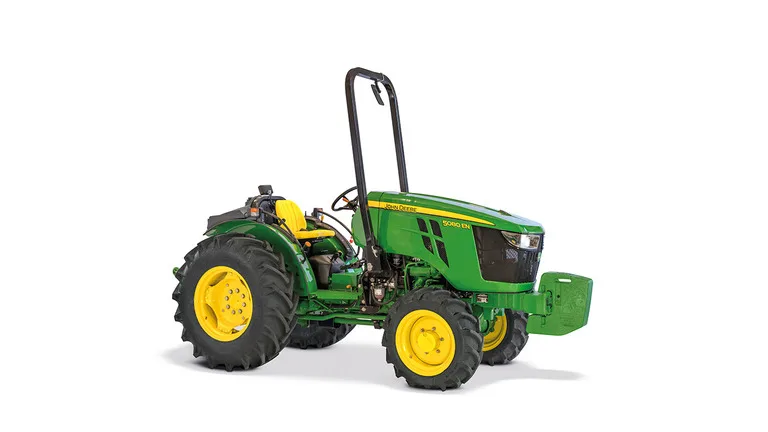 5080ENSerie 5EN - línea angosta0 km
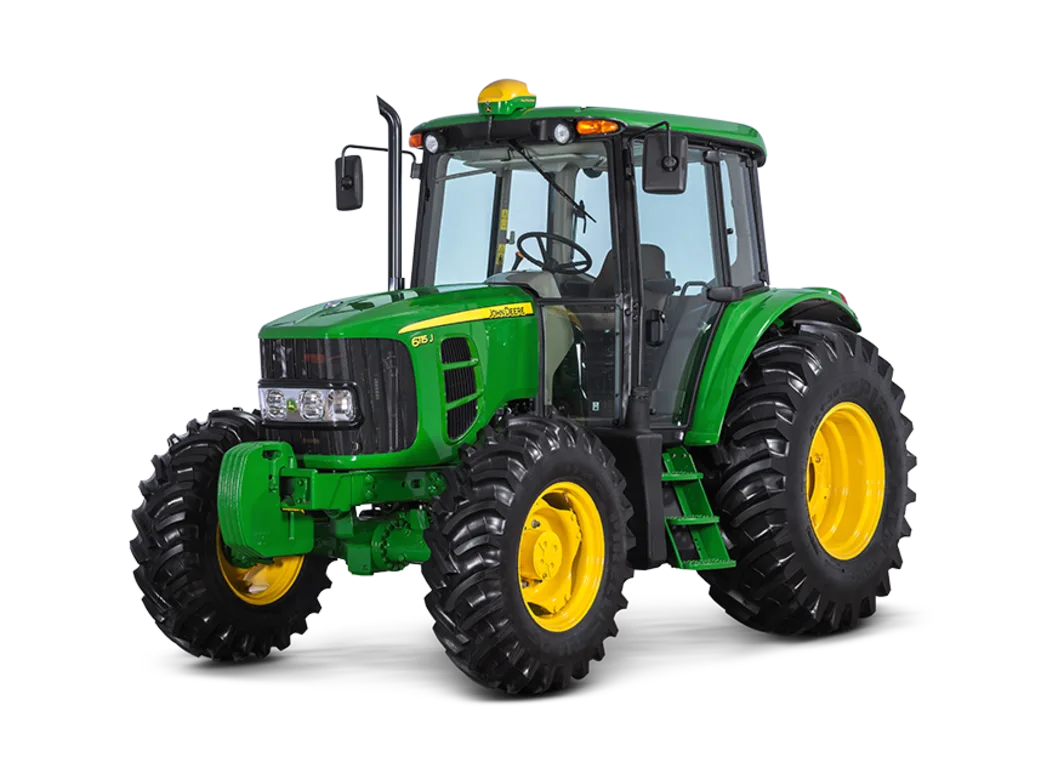 6115JSerie 6J0 km
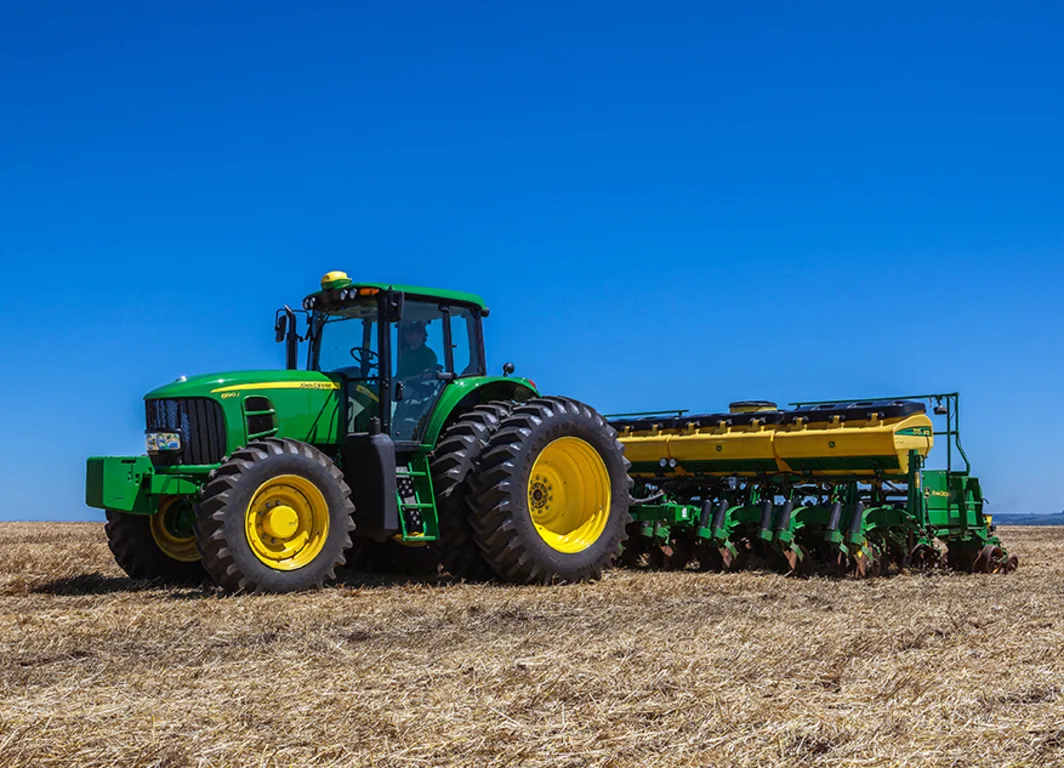 6190JSerie 6J0 km
Otros modelos de John Deere
6190MSerie 6M0 km6170MSerie 6M0 km7M 215Serie 7M0 km8400RSerie 8R - tractores grandes0 km7M 230Serie 7M0 km5060ESerie 5E0 km5082ESerie 5E (4 cilindros)0 km8270RSerie 8R - tractores grandes0 km3036ESerie 3E - tractores compactos/especiales0 km5080ENSerie 5EN - línea angosta0 km6115JSerie 6J0 km6190JSerie 6J0 kmQuiero comprar
Buscás un John Deere 6120E
Contanos año y presupuesto. Te llegan opciones de concesionarias y vendedores, sin costo.
AgroMove no es concesionario oficial ni está afiliado a las marcas mencionadas. Las marcas y logotipos pertenecen a sus respectivos titulares y se usan únicamente para identificar los vehículos de los que se habla.